
Emotional Intelligence in Leadership
The Power of Authentic Influence
Emotional intelligence has become the real edge in today’s fast-changing corporate world. Leadership is no longer just about authority or title; it is about how well you connect, understand, and inspire people. Leaders who use emotional intelligence communicate more effectively and build deeper trust with their teams.
Leaders
Enhance your insight and prioritize effectively by capturing your thoughts and ideas.
Matters
Foster trust and commitment by nurturing positive connections with your team.
Essential Leadership Habits
Journaling
Documenting thoughts sharpens insight and aids in prioritizing tasks effectively.
Relationship-Building
Creating a supportive network enhances team trust and collaboration.
Self-Discipline
Exemplify the values you wish to see in others through consistency and integrity.
What is Emotional Intelligence in Leadership?

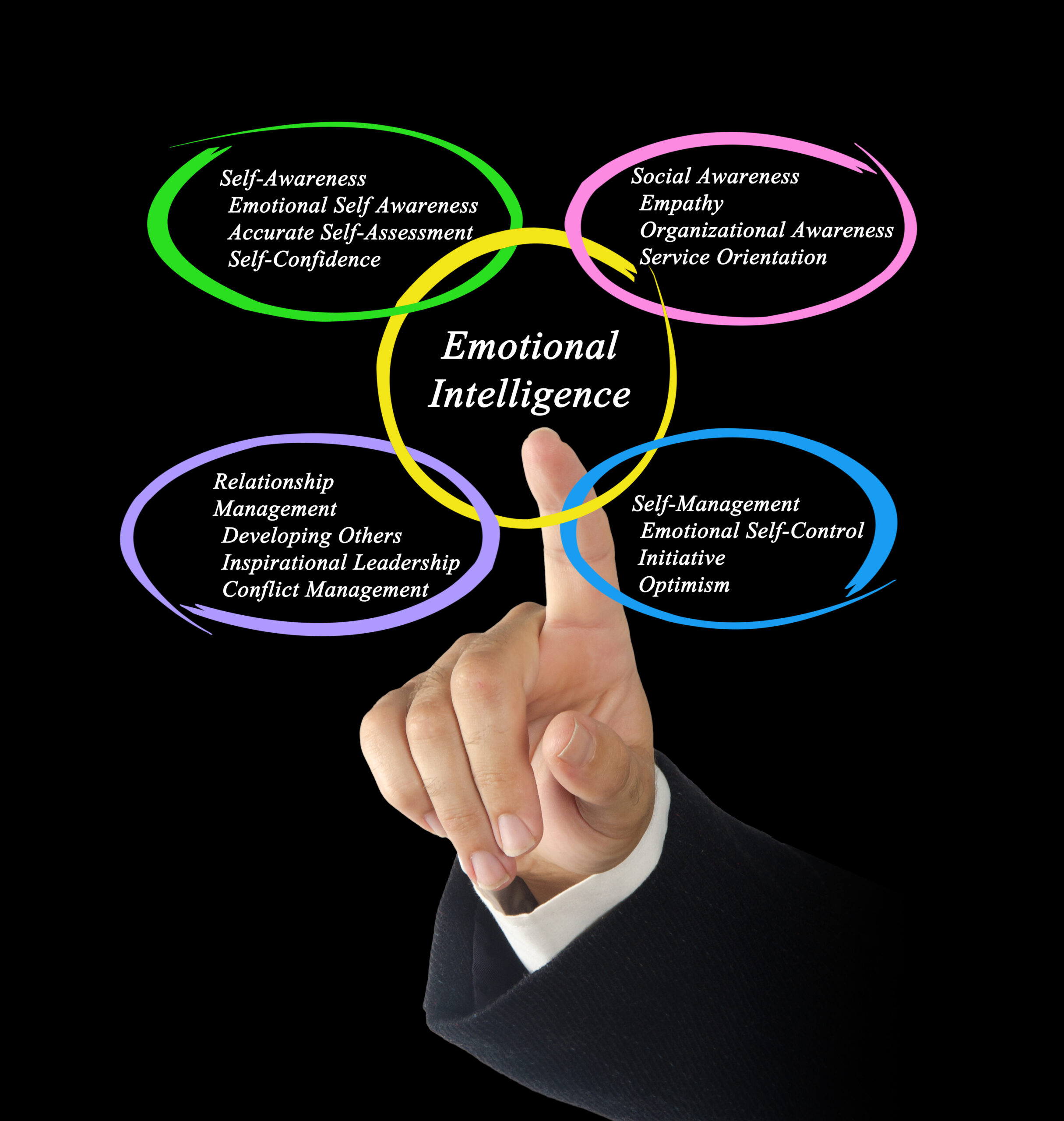
Emotional intelligence is recognizing and managing your own emotions while positively influencing others. It’s the foundation for motivating teams, navigating conflicts, and leading change with authenticity. Daniel Goleman identifies five pillars of EI, key to leadership success:
-
Self-Awareness: Know your emotional triggers and strengths.
-
Self-Regulation: Maintain calm and make thoughtful decisions under pressure.
-
Motivation: Drive yourself and others with purpose.
-
Empathy: Understand and value others’ feelings and perspectives.
-
Social Skills: Build trust, resolve conflicts, and foster collaboration.
Why Emotional Intelligence Matters
Leaders with high EI cultivate engaged, resilient, and loyal teams by creating safe, innovative environments. Here’s how EI empowers leadership:
-
Builds Trust & Credibility: Transparent, empathetic leaders foster respect and openness.
-
Enhances Decision-Making: Balances logic with empathy for informed choices.
-
Improves Communication: Delivers clear, compassionate messages that resonate.
-
Boosts Employee Engagement: Motivates teams through emotional support.
-
Strengthens Conflict Resolution: Turns disagreements into cooperative outcomes.

EI is a skill you can cultivate intentionally
How to Develop Emotional Intelligence as a Leader
- Practice Self-Awareness: Regularly reflect on your emotions and their impact.
- Regulate Before Reacting: Pause and breathe before responding.
- Listen Actively: Tune into not just words but tone and feelings.
- Seek Honest Feedback: Invite perspectives on your leadership impact.
- Lead with Compassion: Prioritize empathy, especially during stress.

The Heart of Transformational Leadership


Leading with EI means inspiring growth, nurturing psychological safety, and encouraging authenticity. In a world of constant change, emotional intelligence remains indispensable.
Teams led by emotionally intelligent leaders don’t just follow—they thrive.

Primrose Jasmin
Author and Motivational Speaker
Primrose Jasmin is a seasoned expert in the field of Learning and Development, boasting over 19 years of experience with leading corporations such as Tech Mahindra, CSS Corp, and Atos. As a Master NLP Practitioner and Distinguished Toastmaster, Primrose has a profound understanding of human behavior and communication. Her academic credentials include an MSc in Psychology, an MCA, and an MPhil in Computer Science. Currently, she is advancing her expertise in Professional Coaching, complementing her Reiki Level 2 certification. Primrose’s passion lies in empowering individuals to achieve their fullest potential through innovative and personalized learning solutions.