
Top Emotional Regulation Strategies
Mastering emotional regulation strategies is essential in today’s fast-paced world. These proven strategies—mindful awareness, cognitive reframing, and deep breathing—empower you to recognize, understand, and guide your emotions effectively. When you practice emotional regulation strategies daily, something shifts. Your self-control strengthens. Your stress decreases. Your well-being improves. Challenges transform into growth opportunities. Calmness becomes your natural state.
Practice Mindful Awareness
Stay present and observe your emotions without judgment to break automatic reactions.
Cognitive Reframing
Shift your thinking by looking for new perspectives and growth in stressful situations.
Your Toolkit for Mastering Emotional Regulation
The Pause-Reflect-Respond Method
Pause before reacting, reflect on your feelings, and respond with intention aligned to your values.
Label Your Emotions Clearly and Mindfully
Naming your emotions reduces their intensity and gives you more control over your response.
Physical Grounding and Breathing Techniques
Use deep breathing and grounding to calm your body and mind in tense moments.
Express Emotions Constructively
Share your feelings openly and respectfully to avoid bottling them up or blaming others.
Build a Supportive Environment
Surround yourself with positive people and resources to promote emotional balance and growth.
Practice Mindful Awareness

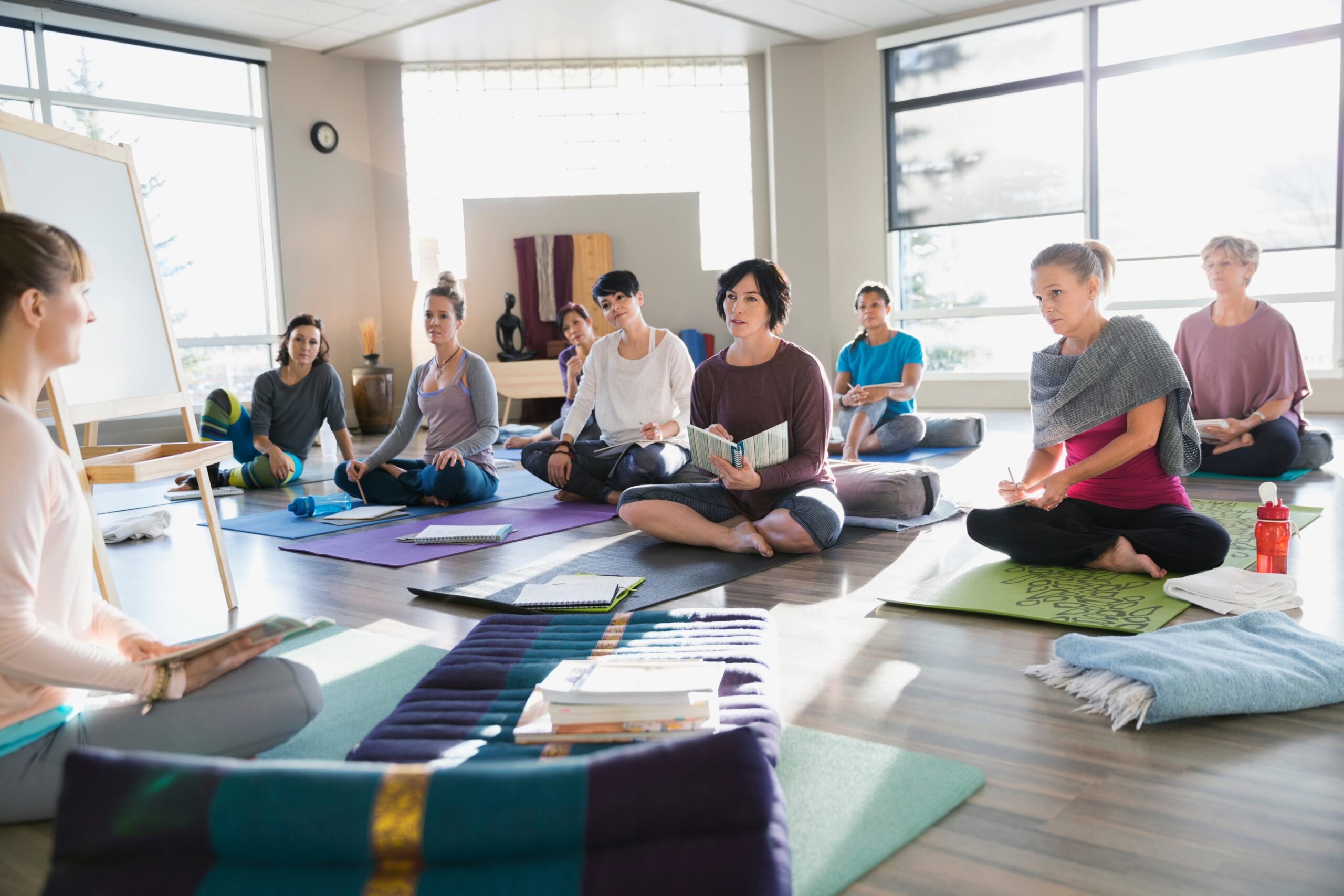
Mindfulness allows you to observe emotions without judgment and create space before reacting.
Technique:
When emotional tension mounts, take deep breaths and ask yourself, “What am I feeling and why?” This awareness diminishes impulsivity.
Cognitive Reframing
Your thoughts shape your feelings. Change your thoughts. Your emotions change too. This is the power of cognitive reframing.
In stressful moments, pause. Ask yourself: “Is there another interpretation?” Then ask: “What’s the lesson here?” These questions work magic. They shift your mindset. You move from victim to learner. From stuck to growing.
The technique is simple. Yet powerful. When stress hits, you have a choice. You can spiral down. Or you can reframe. When you reframe, your emotions follow. Your perspective transforms. Your resilience grows.
Practice this daily. In small moments first. Then in bigger challenges. Over time, this becomes your superpower.

The Pause-Reflect-Respond Method
Impulsive reactions often lead to mistakes—this method restores control.
Technique:
Pause to breathe, reflect on your emotions and triggers, then respond with actions aligned to your values.

Label Your Emotions


Naming feelings is powerful. When you name an emotion, something shifts. Your rational brain activates. Your emotional storm calms. This is neuroscience in action.
Here’s the technique: Say it aloud. Or say it silently. “I feel frustrated.” “I feel anxious.” These simple words work. They reduce intensity. They increase self-control. Suddenly, you’re not overwhelmed. You’re observing. You’re managing.
Try this now. Notice what you feel. Name it specifically. Don’t say “I feel bad.” Instead, say “I feel disappointed” or “I feel scared.” The more specific, the better. Specificity calms your nervous system.
When emotions have names, they lose power. You gain control. Your clarity returns. This is how emotional regulation strategies transform your inner world.
Physical Grounding and Breathing Techniques
Your body speaks before your mind catches up. Physical sensations signal emotional surges. A tight chest. Shallow breathing. Tension in your shoulders. These are signals. Pay attention to them.
Here’s the technique: Practice slow, deep breathing. Inhale for 4 seconds. Hold for 2 seconds. Exhale for 6 seconds. Repeat this five times. What happens? Your stress hormones drop. Your nervous system calms. Your mind clears.
This works because breathing connects body and mind. When you control your breath, you control your emotions. It’s that simple. It’s that effective.
Use this emotional regulation strategy anytime. Stressed at work? Breathe. Anxious before a meeting? Breathe. Overwhelmed at home? Breathe. Your breath is always available. It’s your superpower.
Practice daily. Even when calm. Build the habit. Then when stress hits, your body knows what to do automatically.
Express Emotions Constructively
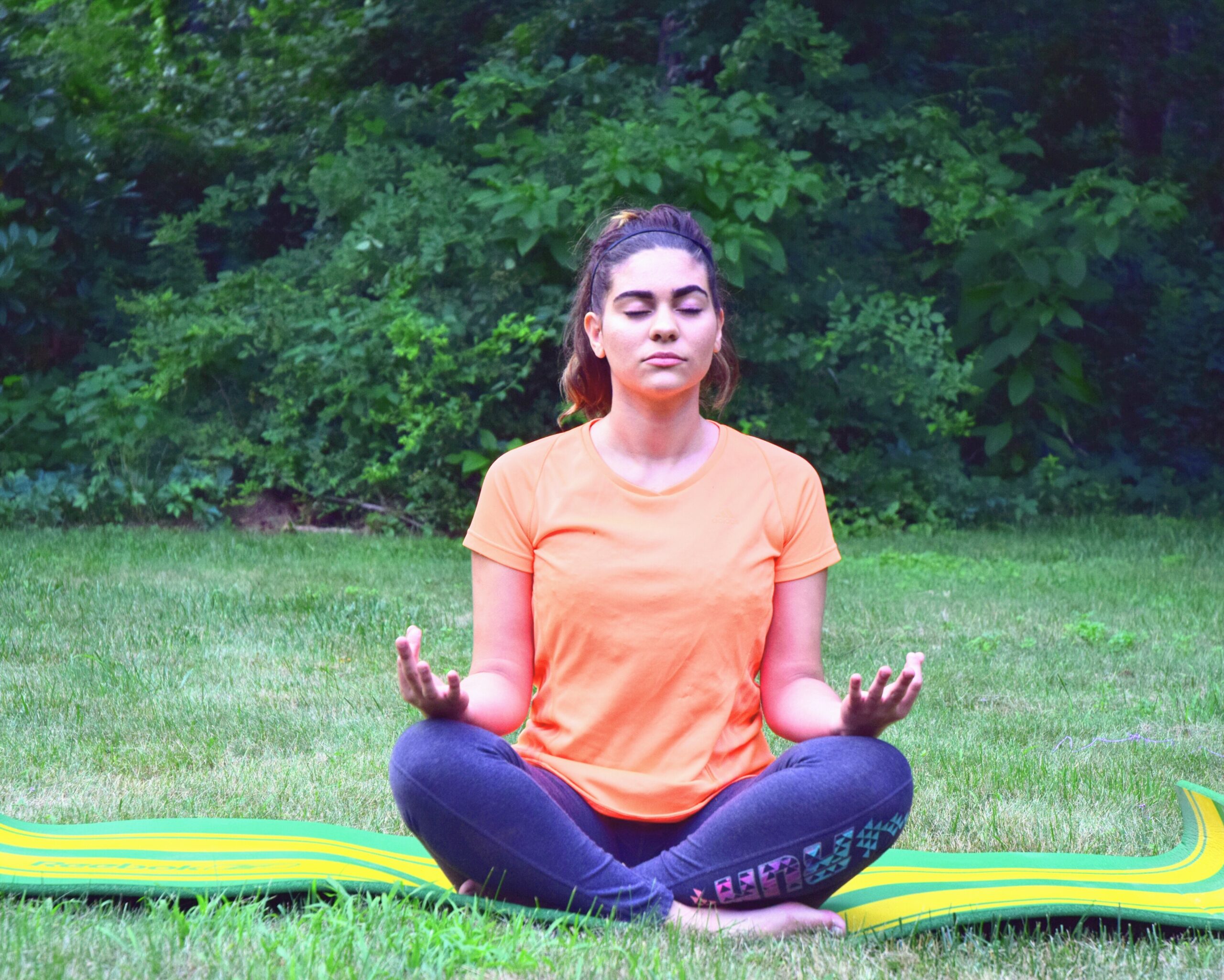
Bottling emotions causes burnout; constructive expression heals.
Technique:
Use “I” statements (e.g., “I feel upset when deadlines shift”) to communicate without blame.

Build a Supportive Environment


Surround yourself with positivity and mentors to foster emotional growth.
Technique:
Engage in supportive conversations, seek feedback, and join growth-focused groups.
The Science Behind Emotional Regulation
Neuroscience reveals emotional regulation activates the prefrontal cortex, responsible for decision-making and self-control. This neurological control allows you to respond with clarity, improving emotional intelligence and professional effectiveness.

Emotional Regulation in Leadership
Great leaders don’t avoid emotions—they manage them expertly. Composed leaders motivate teams, navigate conflict with empathy, and build cultures of trust and respect that encourage innovation and collaboration. Their emotional regulation sets the tone for workplace emotional safety.
Conclusion

Emotional regulation is a transformative skill that elevates both your personal and professional life. It empowers you to stay grounded amidst chaos, make thoughtful decisions, and communicate with emotional clarity. Emotions are not meant to be controlled but understood deeply.
By practicing these strategies, you master not just your emotions but your life—leading with empathy, balance, and resilience. Start your emotional regulation journey today: pause, breathe, observe, and choose wisely.

Primrose Jasmin
Author and Motivational Speaker
Primrose Jasmin is a seasoned expert in the field of Learning and Development, boasting over 19 years of experience with leading corporations such as Tech Mahindra, CSS Corp, and Atos. As a Master NLP Practitioner and Distinguished Toastmaster, Primrose has a profound understanding of human behavior and communication. Her academic credentials include an MSc in Psychology, an MCA, and an MPhil in Computer Science. Currently, she is advancing her expertise in Professional Coaching, complementing her Reiki Level 2 certification. Primrose’s passion lies in empowering individuals to achieve their fullest potential through innovative and personalized learning solutions.